
Even AIPAC Has an Expiration Date
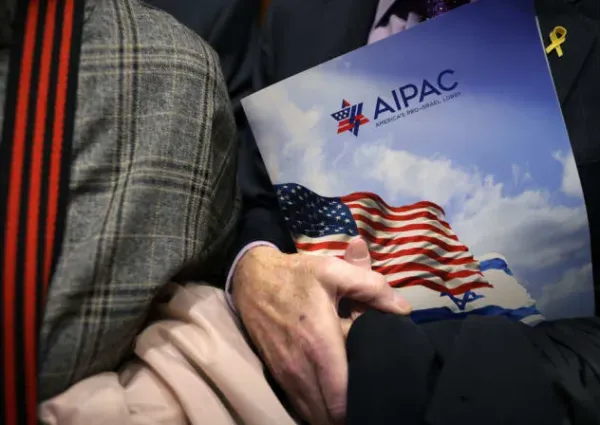
Image credit: The Jerusalem Post
The American Israel Public Affairs Committee (AIPAC), one of Washington’s most influential pro-Israel lobbying organizations, has announced that it will stop officially endorsing congressional candidates and making direct campaign contributions through its political action committee (PAC). The decision follows growing criticism of candidates associated with its endorsements. However, AIPAC’s affiliated super PAC, the United Democracy Project (UDP), will continue operating.
AIPAC’s announcement raises an important question: Why should a powerful lobbying organization’s priorities carry such weight in American politics, particularly when its agenda conflicts with the views of many American voters?
AIPAC and its affiliated political groups have spent enormous sums supporting candidates who favor their policy agenda and opposing those who challenge it. Critics argue that this spending undermines democratic accountability by allowing wealthy donors and powerful special interests to exert disproportionate influence over elections.
During the 2026 election cycle, AIPAC-linked political spending has drawn particular scrutiny over U.S. support for Israel’s wars in Gaza and Iran. The organization has faced growing opposition from candidates who question U.S. military assistance to Israel or criticize Prime Minister Benjamin Netanyahu’s policies.
AIPAC’s decision to stop official endorsements and direct PAC contributions does not mean it is withdrawing from electoral politics. Instead, the organization says it will mobilize individual donors to contribute directly to favored candidates while continuing to operate its super PAC.
AIPAC spokesperson Deryn Sousa has said the organization’s mission and strategy remain unchanged. Its members reportedly contributed more than $90 million directly to candidates during this election cycle. In other words, the strategy is changing, but the political objective remains the same.
AIPAC was founded in 1954 as the American Zionist Committee for Public Affairs and adopted its current name in 1959. Today, it is a major force in American politics. Its reported expenses totaled approximately $100.4 million for fiscal year 2024, according to its nonprofit tax filing.
AIPAC is a U.S.-based organization, but it acts as an Israeli government lobbying group. It operates as a tax-exempt 501(c)(4) social-welfare organization. Under US law, political campaign activity is strictly prohibited for 501(c)(3) organization. This includes endorsements, donations to candidate committees, or any activity that clearly favors or opposes a candidate.
American voters deserve transparency and elected officials who put their constituents’ interests first. No lobbying organization, regardless of its influence or political connections, should be beyond public scrutiny.
AIPAC may be changing its tactics in response to growing criticism, but its continued political activity makes one thing clear: The end of official endorsements is not the end of its influence.
Still, public opinion can shift, candidates can reject special-interest money, and voters can demand accountability. No political organization is invulnerable to public scrutiny.
Even AIPAC has an expiration date.